
Fire Damage Restoration
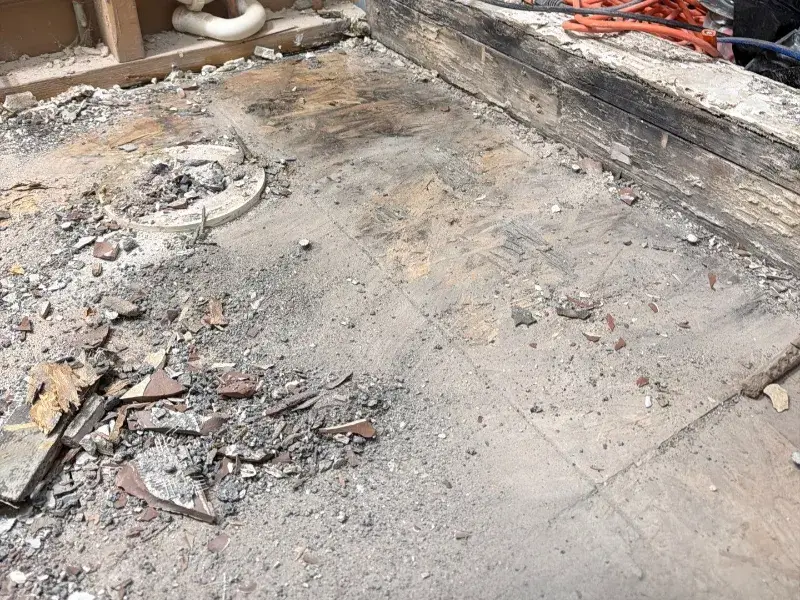
Soot, Smoke, and Odor
Fire Damage Restoration Through the Final Rebuild
A fire leaves more behind than charred walls. Soot spreads through ductwork, smoke odor settles into drywall and fabrics, and the water used to put out the flames soaks floors and insulation.
Our fire damage restoration covers all of it: securing the structure, cleaning soot, treating smoke odor, drying water damage, and rebuilding what can’t be saved.
Call Now to Start Fire Damage Cleanup
Soot is acidic and can stain and etch surfaces within days. Starting cleanup early gives you a better chance of saving cabinets, flooring, and personal belongings instead of paying to replace them.
Hidden Damage
What Fire Leaves Behind
Even a small kitchen fire can affect an entire home. Smoke travels through HVAC systems and wall cavities, carrying soot into rooms the flames never touched. Odor works its way into insulation, carpet, and upholstery.
Water adds another layer. Firefighting efforts can leave basements and lower floors soaked, and wet materials need drying before mold has a chance to take hold. Freezing Wisconsin winters make this even more urgent when a fire leaves windows broken or heat shut off.
Smoke damage restoration addresses what you can see and what you can smell. Cleaning surfaces, treating odor at its source, and drying water damage all have to happen before rebuilding starts.
Testimonials
What Your Neighbors Are Saying
How the Restoration Process Works
Fire and smoke damage cleanup follows a careful order, so each step sets up the next:
- Assessment and securing: The crew inspects the damage and secures the property against weather and further loss.
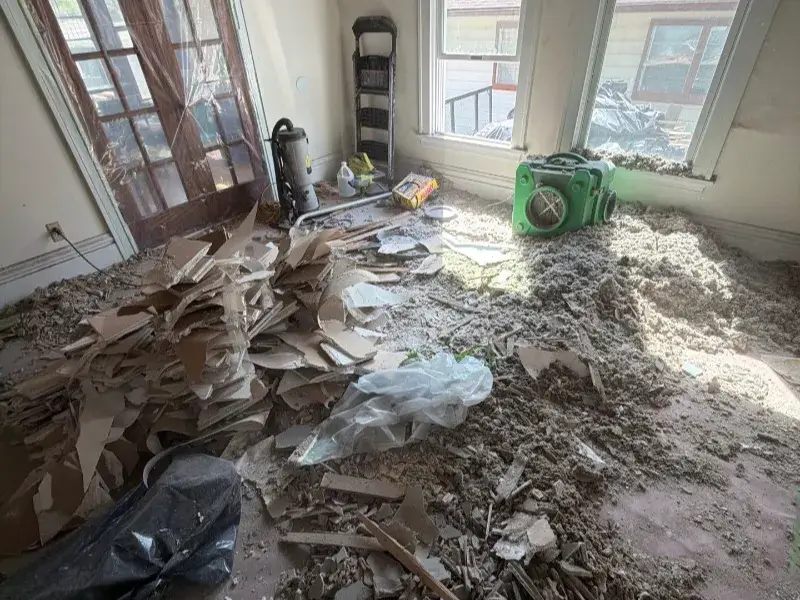
- Water removal and drying: Water from firefighting gets extracted, and air movers and dehumidifiers dry the structure.
- Debris and material removal: Charred drywall, insulation, and flooring that can’t be cleaned come out.
- Soot cleaning: Walls, ceilings, cabinets, and other surfaces are cleaned with methods matched to the type of residue.
- Smoke odor removal: Odor gets treated at the source.
– Hydroxyl or ozone equipment works on odor in the air and structure.
– Materials that hold odor are removed when cleaning won’t work. - Contents care: Belongings are protected and moved out of work areas.
- Rebuild: The same team handles drywall, paint, flooring, and repairs.
You’ll see the plan and costs at each stage, and nothing extra moves forward without your approval.
Experience Counts
Why Fire Work Needs a Careful Hand
The team’s restoration experience goes back to a fire job in 2013, and fire damage restoration work still calls for patience. Rushing fire damage cleanup can smear residue deeper into surfaces, and skipping odor treatment means the smell returns on the first humid day.
Smoke odor removal starts with finding where the odor lives. Sometimes that means cleaning ductwork, cabinets, and hard surfaces. Other times, insulation or drywall has absorbed too much and has to come out before odor-control equipment treats what’s left.
Ellipsis Restoration also keeps a close eye on the water side of a fire loss. Firefighting water can sit in basements and wall cavities, and Dane County homes with finished lower levels need thorough drying before repairs begin.
Insurance plays a big part in most fire claims. Photos and documentation of the damage and the work performed give your adjuster a clear record. When hidden damage turns up behind walls, you’ll get an explanation and a revised estimate before work continues.
Once cleaning and drying are complete, the same crew rebuilds. You’ll have one point of contact from the first walkthrough to the final coat of paint, and no second contractor to bring up to speed. A final walkthrough catches anything that still needs attention.
Frequently Asked Questions
How long does fire damage restoration take?
It depends on the size of the fire and how much rebuilding is needed. Cleanup and odor treatment for a contained stovetop fire may take days, while larger losses that need reconstruction can take several weeks.
Can smoke odor removal really get rid of the smell?
In most cases, odor can be greatly reduced by cleaning surfaces, treating the air, and removing materials that absorbed too much smoke. The crew will tell you honestly if something can’t be saved.
Do you handle smoke damage restoration after a small fire?
Yes. Smoke from a small kitchen or furnace fire can still spread soot through an entire house. Cleaning, odor treatment, and any needed repairs are handled no matter how contained the flames were.
Should I clean soot myself?
It’s best to wait. Wiping soot with household cleaners can smear it into surfaces and make fire damage cleanup harder. Ventilate the area if you can and leave the residue for the crew.
Will insurance cover fire and smoke damage cleanup?
Most homeowner policies cover sudden fires, but coverage limits and requirements vary. Ellipsis Restoration documents the damage with photos and keeps you informed about any costs your policy may not cover.
Can I stay in my home after a fire?
That depends on the damage. Heavy smoke, structural issues, or a lack of heat during a Madison winter may make a short stay elsewhere the better option, and the crew will give you honest guidance after the assessment.