
Disaster Reconstruction Services
Finish What Was Started
Disaster Reconstruction Services From the Crew That Cleaned Up
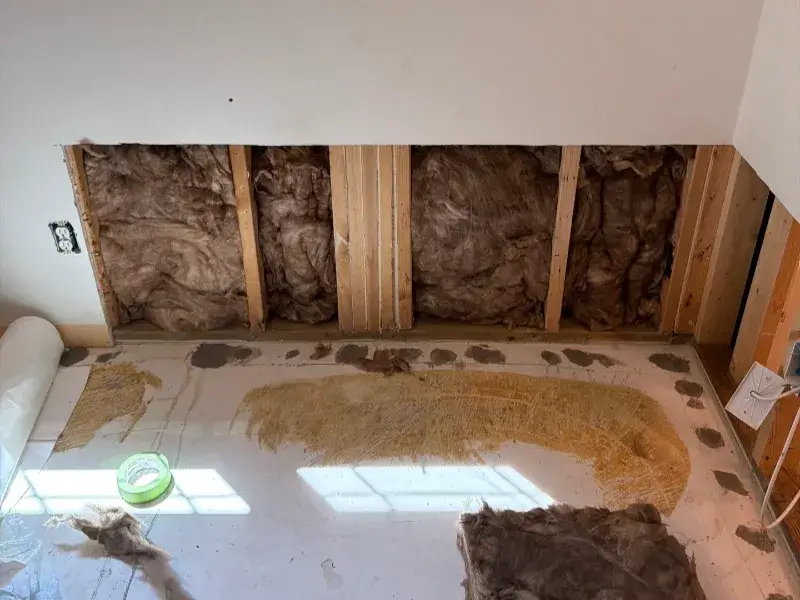
After water, fire, or storm damage, cleanup is only half the job. Walls, floors, and ceilings still need to be rebuilt, and handing the project to a new contractor means starting over with someone who never saw the damage.
Our reconstruction team picks up where mitigation leaves off, rebuilding your property with the same documentation, the same point of contact, and no gaps in between.
Call Now to Start the Rebuild Process
Every week a damaged room sits unfinished is another week out of your space. A free on-site assessment gives you a clear scope, a detailed estimate, and a realistic timeline for the work.
Why Rebuild With Us?
One Team Instead of Two Contractors
When one company handles cleanup and another handles repairs, details get lost. The rebuild crew may not know which framing was dried in place, where moisture readings ran high, or what hidden damage turned up behind the walls.
Property damage reconstruction goes smoother when the same team carries the job from start to finish. Photos, readings, and notes from mitigation guide every repair decision, and your insurance adjuster sees one consistent record.
It also saves you time and stress. There’s no second round of estimates, no waiting for a new contractor’s schedule to open up, and no one pointing fingers if something isn’t right.
Testimonials
What Your Neighbors Are Saying
What the Rebuild Process Looks Like
Property damage reconstruction follows a clear order, so each stage builds on finished work:
- Scope and estimate: The crew reviews what was removed during mitigation and outlines what needs to be rebuilt.
- Approval: You see the plan and costs, and any changes get your sign-off before work continues.
- Structural damage repair: Framing, subfloors, and other structural components get repaired or replaced first.
- Interior finishes:
– Drywall, texture, and paint
– Flooring, trim, and baseboards
– Cabinets and fixtures as needed - Material selection: You’ll help choose flooring, paint, and finishes when exact matches aren’t available.
- Cleanup: Work areas get cleaned as the project wraps up, including drywall dust.
- Final walkthrough: You walk the space with the crew and sign a walkthrough form once you’re satisfied.
- Follow-up window: You have seven days after signing to report any additional concerns in writing.
Issues found during the walkthrough get addressed before the job closes. That process keeps expectations clear on both sides.
Licensed Work
Rebuilding After Fire and Water Losses
Among our disaster reconstruction services, fire damage reconstruction often involves more than replacing burned materials. Smoke can travel into wall cavities and ductwork, so the rebuild starts only after cleaning and odor treatment are complete. Charred framing gets evaluated, and structural damage repair happens before finishes go back on.
Water damage reconstruction depends on proper drying. Closing up walls over damp studs or subfloors can lead to warped flooring, peeling paint, and mold inside the finished space, so moisture readings confirm materials are dry before anything new goes in.
Ellipsis Restoration holds a DCQ contractor’s license (DCQ2998), and every rebuild is scoped to match what was there before the loss. Older homes in Madison neighborhoods like Vilas, along with nearby villages like Shorewood Hills, often have trim profiles, plaster walls, and built-ins that take extra care to match. Newer homes across Dane County get the same attention to detail.
Hidden damage can still turn up once work begins. When it does, you’ll get an explanation and a revised estimate, and nothing moves forward without your approval.
Your belongings get protected throughout the project, and the crew cleans up before leaving each day. The goal is a finished space that looks and feels like home again.
Frequently Asked Questions
Do you handle both mitigation and rebuilding?
Yes. Disaster reconstruction services come from the same team that handles cleanup and drying, so there’s no handoff to a second contractor.
How long does property damage reconstruction take?
Small repairs may take a few days, while larger rebuilds after fire or flooding can take several weeks. Timelines depend on the scope, material availability, and insurance approvals.
What happens if I find a problem after the job is done?
Anything spotted during the final walkthrough gets fixed before the crew wraps up. After you sign off, you have a week to send new concerns in writing.
Will insurance pay for disaster reconstruction services?
If the original damage is covered, reconstruction is usually part of the claim. Ellipsis Restoration provides photos, readings, and documentation your adjuster can use to review the rebuild.
When can water damage reconstruction begin?
Once moisture readings show walls, floors, and framing are dry. Starting water damage reconstruction too early can trap moisture inside finished walls, so the crew waits for the numbers instead of the calendar.
What does structural damage repair include?
It covers framing, subfloors, sheathing, and load-bearing members damaged by water, fire, or storms. These repairs come first so new finishes have a solid base.
Why does fire damage reconstruction wait until cleaning is done?
Rebuilding over smoke residue can trap odor inside new walls. Fire damage reconstruction starts once soot is cleaned and odor is treated, so odor is less likely to come back through the finished space.