
Sewage Cleanup
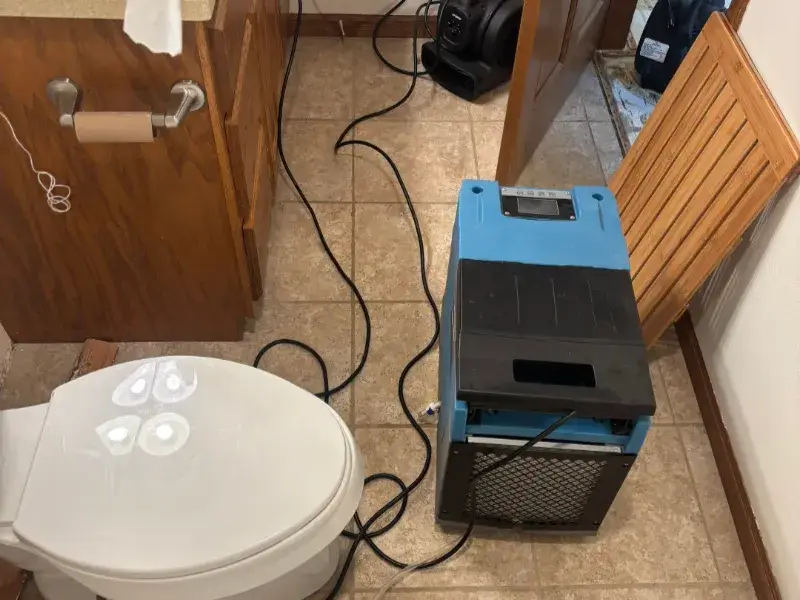
Contaminated Water Removed Properly
Sewage Cleanup With Full Containment and Thorough Disinfection
A sewage backup is more than a mess. Wastewater carries bacteria and other contaminants, and it soaks into flooring, drywall, and anything stored nearby.
Our sewage cleanup team extracts contaminated water, removes affected materials, and cleans and disinfects every surface the water touched. You’ll know what can be saved and what has to go before any work begins.
Call Now for Emergency Sewage Cleanup
Every hour wastewater sits, it spreads deeper into building materials and makes the job bigger. Crews answer 24/7 to stop the spread, start extraction, and begin emergency sewage cleanup right away.
Why It’s Different
The Dangers of Sewage Backups
Sewage is classified as Category 3 water, the most contaminated type in the restoration industry. It can contain bacteria, viruses, and other pathogens, so it’s handled differently from a clean water leak.
Porous materials like carpet, padding, drywall, and insulation usually can’t be saved once sewage soaks in. Hard surfaces need thorough cleaning and disinfection, and the area needs to dry completely to limit odors and mold growth.
Trying to handle it yourself, even a simple toilet overflow cleanup, often spreads contamination to other rooms through shoes, tools, and air movement. Professional sewage backup cleanup uses protective equipment, containment, and proper disposal to keep the problem in one place.

Testimonials
What Your Neighbors Are Saying
How Sewer Backup Restoration Works
Every job follows the same careful order, so contamination doesn’t move from one area to another:
- Assessment: The crew identifies the source, checks how far the water traveled, and documents the damage with photos.
- Containment: Barriers isolate the affected area, and protective gear is used throughout the job.
- Extraction: Standing wastewater is pumped out and disposed of properly.
- Material removal:
– Carpet, padding, and drywall that absorbed sewage
– Insulation, baseboards, and other porous materials - Cleaning and disinfection: Floors, framing, and remaining surfaces are scrubbed and treated.
- Drying: Air movers and dehumidifiers bring moisture levels down, with readings tracked until materials are dry.
- Odor control: Lingering odors are addressed during cleaning and drying.
- Rebuild: The same team replaces flooring, drywall, and trim.
You’ll see the plan and costs before work starts, and nothing extra moves forward without your approval. Sewer backup restoration in a finished basement usually takes the longest, since more materials have to come out.
Local Knowledge
Why Madison Basements See So Many Backups
Most sewage cleanup calls in Dane County start in the basement. Heavy summer thunderstorms can overwhelm municipal sewer and stormwater systems, pushing wastewater back up through floor drains. Older neighborhoods in Madison, including parts of Tenney-Lapham and Marquette, have aging infrastructure that can make these backups more likely during intense rain.
Inside the home, tree roots, grease buildup, and collapsed lateral lines can block a sewer line until water has nowhere to go but up. A toilet overflow cleanup may seem minor, but if the water came from a blocked drain line, it’s still contaminated and needs the same care.
Ellipsis Restoration starts each job by asking where the backup started and when. That answer shapes the containment, removal, and disinfection plan. If the backup traces to a blocked line or failed fixture, you’ll know a plumber may need to clear it first.
Insurance coverage for sewage backups varies widely. Many standard homeowner policies require a specific sewer backup endorsement, so it’s worth checking your policy early. Photos, readings, and records from the job help your adjuster review the claim.
Finished basements take the biggest hit. Carpet, drywall, and stored belongings often have to go, which is why the same crew that handles sewage backup cleanup also handles the rebuild once the space is dry.
Frequently Asked Questions
What should I do if sewage is backing up into my basement?
Stop using water in the house, including toilets, sinks, and laundry. Keep people and pets out of the affected area, avoid touching the water, and call for emergency sewage cleanup as quickly as you can.
Is a toilet overflow the same as a sewage backup?
It depends on the source. Water from a clean supply line is less contaminated, but if the bowl contains waste or the overflow comes from a clogged sewer line, it’s treated as sewage and needs professional toilet overflow cleanup.
Can carpet be saved after a sewage backup?
Usually not. Carpet and padding absorb contaminated water quickly and can’t be reliably disinfected, so they’re typically removed. Hard flooring and framing can often be cleaned and kept.
Does homeowners insurance cover sewer backup restoration?
Coverage often depends on whether your policy includes a sewer or water backup endorsement. Ellipsis Restoration provides photos and documentation to support your claim either way.
How long does sewage backup cleanup take?
Extraction and removal often happen in the first day or two, followed by several days of drying. Rebuilding finished spaces adds time, depending on what has to be replaced.
Why do backups happen during heavy rain?
Intense summer storms can push more water into sewer systems than they can carry, especially in older neighborhoods. When that happens, wastewater can come up through the lowest drain in your home, usually a basement floor drain.