
Storm Damage Restoration
Wind, Hail, and Rain
Storm Damage Restoration That Covers Cleanup Through Repairs
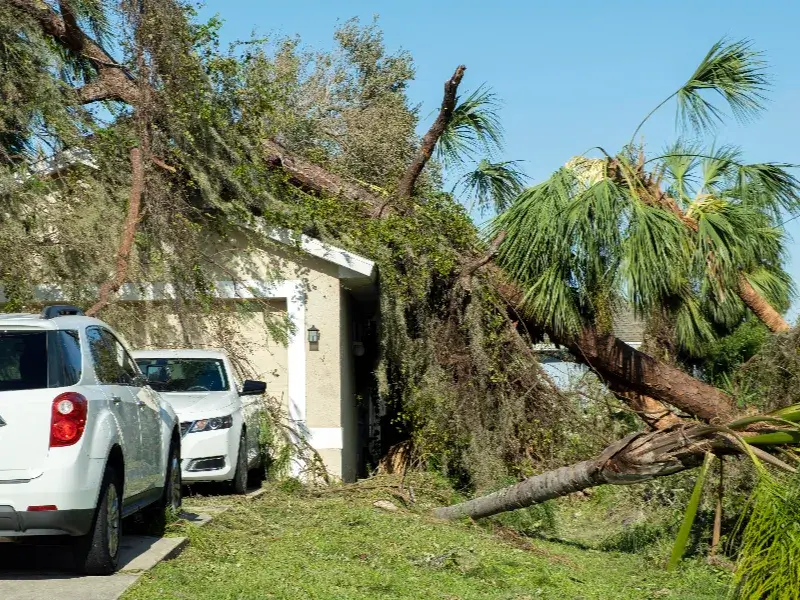
A single summer thunderstorm can drop hail, snap tree limbs, and push wind-driven rain through damaged siding into your walls. What looks like a few missing shingles often turns into wet insulation and stained ceilings.
Our storm damage restoration team dries out water intrusion, clears debris, and repairs damaged materials so your property is sealed up and solid again.
Get Emergency Storm Damage Cleanup Now
Every rainstorm after the first one sends more water through openings in your roof, siding, or windows. Fast cleanup, drying, and storm damage repair limit how far the damage spreads and help keep repair costs down.
Why Speed Counts
How Storms Do More Damage Than You See
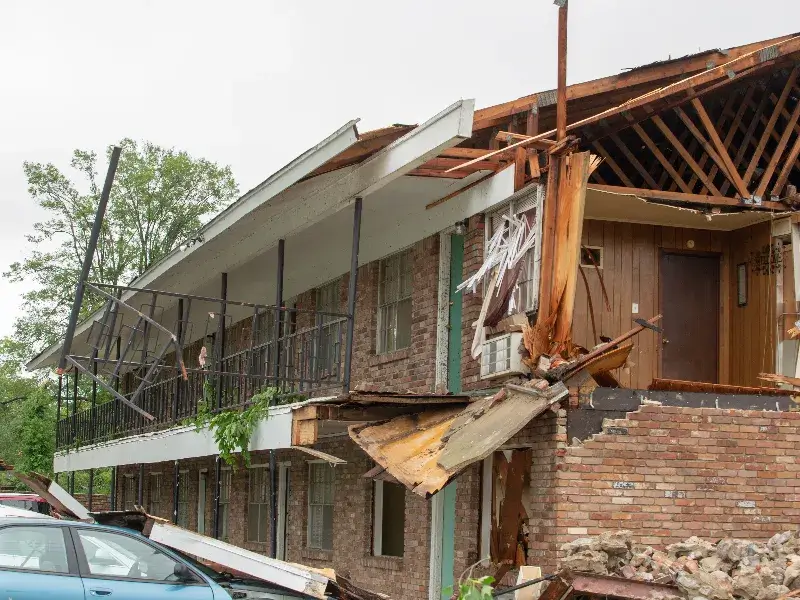
Storm damage rarely stops at the exterior. Hail can crack shingles and dent siding, leaving small openings that let rain into attics and wall cavities. Wind can tear off flashing, lift shingles, and drop heavy branches onto gutters and decks.
Once water gets inside, it soaks insulation, stains drywall, and creates the damp conditions mold needs. Heavy rain can also overwhelm drainage around your foundation, especially in lower-lying parts of Dane County, and send water into finished basements.
Wind damage restoration and drying need to start quickly. Insurance companies expect homeowners to prevent further damage, so delays can complicate a claim.
Testimonials
What Your Neighbors Are Saying
Signs You Need Storm Damage Repair
Some storm damage is obvious, like a tree limb through the roof. Other problems take weeks to show up. Look for these signs after severe weather:
- Exterior damage:
– Missing, cracked, or dented shingles
– Torn flashing or loose gutters
– Cracked, dented, or missing siding - Water stains: Brown rings on ceilings or walls usually mean rain found a way in.
- Damp insulation or musty attic odors: Moisture trapped in the attic can lead to mold.
- Broken windows or damaged seals: Wind-driven rain can seep in around frames.
- Basement water: Heavy rainfall can push water through foundation cracks and window wells.
- Fallen trees or large limbs: Impact can damage the roof, framing, and fencing.
Hail damage repair is easier to document for insurance when photos are taken soon after the storm, before more weather wears down the evidence. If you spot any of these signs, a free on-site assessment shows what needs attention first.
Mitigation Through Rebuild
One Crew for Every Stage of Recovery
Storm damage restoration usually involves more than one trade. Water needs to be extracted and dried, damaged drywall and insulation need to come out, and exterior components may need repair. Ellipsis Restoration handles that whole sequence, including roofing work when a storm calls for it, so you’re not coordinating several contractors.
Every job starts with an inspection inside and out. The crew traces how water entered, documents the damage with photos and moisture readings, and maps out which materials can be dried and which need replacement.
Drying comes next. Air movers and dehumidifiers pull moisture from walls, floors, and attic spaces, and readings get tracked until everything is dry. Repairs follow, and you’ll approve any change in scope before added work begins.
Dane County storms show up in every season. Summer brings hail and straight-line winds, while winter brings heavy snow and ice dams that force water under shingles. In August 2018, extreme rainfall flooded parts of western Dane County, including communities along Black Earth Creek and Pheasant Branch Creek.
That local history shapes how the team approaches storm damage repair. Knowing how water moves through older lakeside neighborhoods and newer subdivisions alike helps the crew find damage that a quick look would miss.
Frequently Asked Questions
How fast should I call after a storm?
As soon as it’s safe. Gaps in your roof or siding let in more water with every rain, and most policies require you to limit further damage.
Do you handle hail damage repair?
Yes. Hail can break shingles, dent siding, and break window seals, sometimes without obvious signs from the ground. The crew documents hail impacts with photos to support your claim before hail damage repair begins.
What does wind damage restoration include?
Wind damage restoration covers drying any water that got in, removing damaged materials, and repairing siding, gutters, and interior surfaces. Fallen limbs and debris are cleared as part of the work.
Will insurance cover storm damage restoration?
Most homeowner policies cover sudden wind and hail damage, though deductibles and limits vary. Rising floodwater usually requires separate flood coverage. Ellipsis Restoration provides photos and documentation from day one to make your claim easier to review.
Can winter storms cause damage too?
They can. Heavy snow and repeated freeze-thaw cycles around Madison create ice dams that push water under shingles and into ceilings and walls, and these leaks often show up as stains well after the storm.
What should I do right after a storm?
Stay away from downed power lines and damaged structures. Take photos of the damage, move belongings away from leaks, and call for emergency storm damage cleanup once the area is safe.